Harmony in Healing: Exploring the Modalities of Chinese Medicine

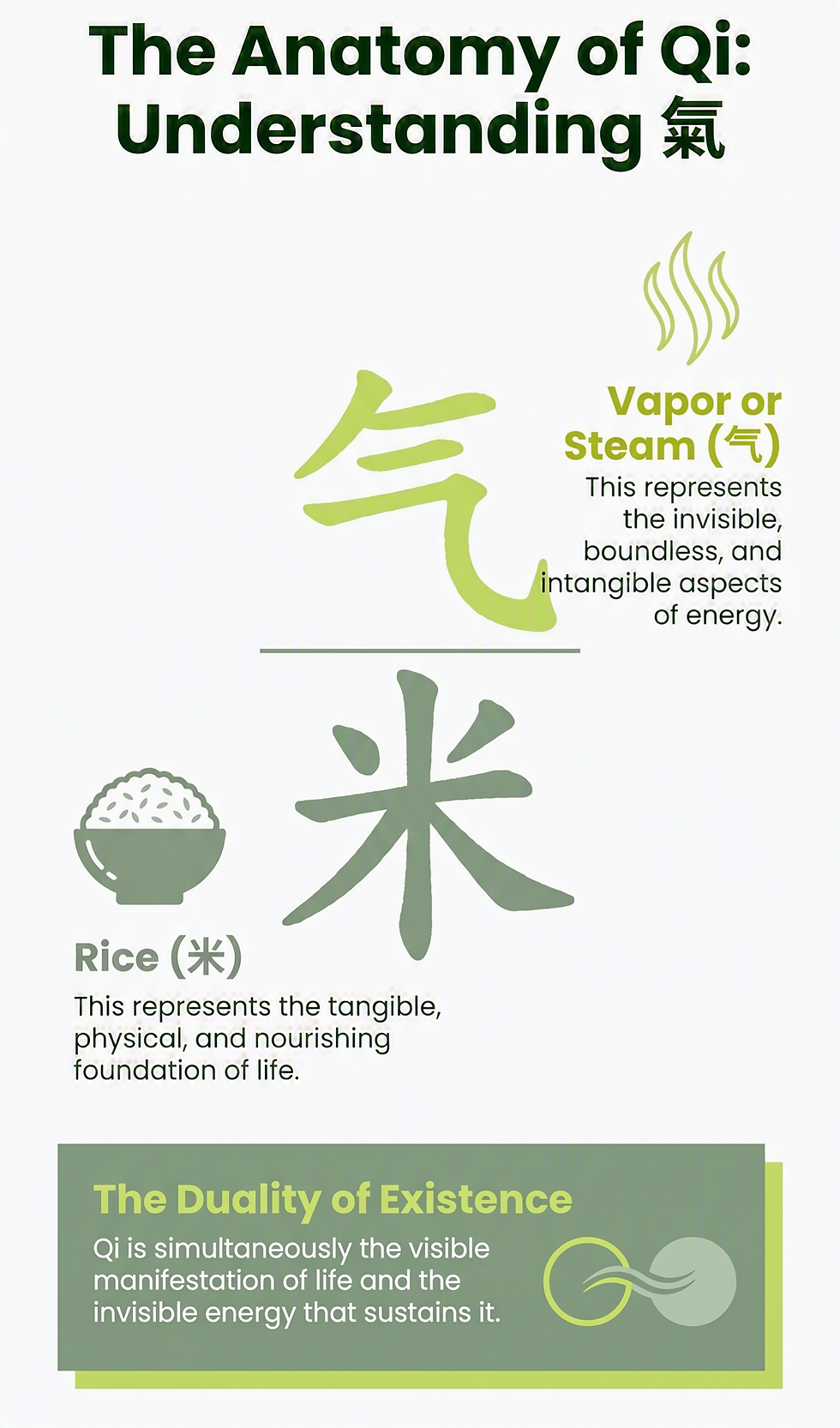
Traditional Chinese Medicine (TCM) is a vast and comprehensive medical system that has evolved over thousands of years. Unlike the often segmented approach of modern Western medicine, TCM views the human body as an integrated ecosystem where physical, mental, and spiritual health are inextricably linked. At the core of this philosophy lies the concept of Qi (vital energy) and the dynamic balance of Yin and Yang. When this flow is disrupted or imbalanced, illness arises.
To restore harmony, practitioners do not rely on a single method. Instead, they utilize a diverse toolkit of therapeutic modalities. These range from external physical manipulations to internal nourishment and active movement. Here is an in-depth look at the primary modalities of Chinese Medicine.
1. Acupuncture
Acupuncture is arguably the most recognized modality of TCM in the West. It involves the insertion of ultra-fine, sterile needles into specific points on the body known as acupoints. These points lie along pathways called meridians, through which Qi flows.
From a TCM perspective, the needles unblock obstructions and correct imbalances in the flow of Qi, thereby stimulating the body’s natural healing abilities. From a biomedical standpoint, acupuncture is known to stimulate the nervous system, release endorphins (the body’s natural painkillers), and increase blood flow to reduce inflammation and promote tissue repair.
2. Herbal Medicine
Herbal medicine is the internal pillar of TCM. While acupuncture moves Qi, herbs nourish and regulate the body’s internal systems. TCM herbalism relies on thousands of substances—primarily roots, barks, leaves, flowers, and minerals.
Crucially, herbs are rarely prescribed singly. They are combined into sophisticated formulas designed to treat the specific pattern of symptoms displayed by the patient. A formula might contain one "Emperor" herb to treat the primary complaint, "Minister" herbs to assist, and "Envoy" herbs to guide the formula to a specific part of the body. These formulas can be taken as teas, pills, powders, or tinctures.
3. Moxibustion
Often paired with acupuncture, moxibustion involves the burning of dried mugwort (moxa) near or on specific acupoints. The heat penetrates deeply into the body, warming the meridians and invigorating the flow of Qi and blood.
Moxibustion is particularly effective for treating "cold" or "stagnation" conditions, such as arthritis that worsens in cold weather, digestive issues, menstrual pain, and turning breech babies in pregnancy. There are two main types: direct (placing a small cone of moxa on the skin) and indirect (holding a burning moxa stick near the skin).
4. Cupping
Cupping gained international fame when Olympic swimmer Michael Phelps displayed the characteristic circular bruises on his back. This therapy involves placing glass, bamboo, or silicone cups on the skin to create suction.
The suction pulls the skin and superficial muscle layers upward, drawing out stagnant blood and toxins while increasing blood circulation to the area. It is frequently used to treat muscle pain, stiffness, respiratory conditions (like the common cold and bronchitis), and anxiety. While the dark marks (petechiae) may look painful, the sensation is often described as a tight, pulling pressure rather than pain.
5. Tuina (Tui Na)
Tuina is a therapeutic form of Chinese bodywork. Unlike Western massage, which focuses primarily on muscles, Tuina works on the meridian system and acupoints to regulate the flow of Qi.
Using techniques such as pressing, kneading, rolling, and stretching, practitioners manipulate the soft tissue and realign the musculoskeletal system. Tuina is highly effective for musculoskeletal conditions like neck and back pain, but it is also used for internal ailments like digestive disorders and insomnia, particularly in pediatric populations.
6. Gua Sha
Gua Sha translates to "scraping sand." In this modality, a practitioner uses a smooth-edged tool (often made of jade, rose quartz, or horn) to scrape the skin with short or long strokes. The strokes are applied along meridians or areas of pain.
This friction raises a distinctive reddish-purple rash (known as "Sha") on the skin, which is actually a result of blood being released from the capillaries. Gua Sha is incredibly effective for breaking up stagnant Qi and blood, reducing inflammation, and treating chronic pain. It is also a popular remedy for reducing fever and symptoms of the common cold.
7. Nutritional Therapy
In TCM, food is viewed as the first line of medicine. Nutritional therapy is not just about vitamins and calories; it is about the energetic properties of food. Foods are categorized by their temperature (hot, warm, neutral, cool, cold), flavor (sour, bitter, sweet, pungent, salty), and organ affinity.
For example, a patient with a "cold" stomach (manifesting as bloating and loose stools) would be advised to eat warming foods like ginger and lamb, while avoiding "cold" foods like watermelon or raw salads. The goal is to use diet to maintain the internal balance of Yin and Yang.
8. Cosmetic Acupuncture
A modern, specialized application of ancient principles, cosmetic acupuncture is often referred to as an "acupuncture facelift." While it aims to reduce fine lines and wrinkles, it does so by treating the whole body, not just the face.
Tiny needles are inserted into the face to stimulate collagen production and increase blood flow, creating a radiant glow. However, because TCM views the face as a reflection of internal health, body points are also used to target underlying imbalances—such as poor digestion or stress—that may be accelerating the aging process. It offers a natural alternative to Botox and fillers, focusing on health rather than just masking symptoms.
9. Qi Gong (and Tai Chi)
While the modalities above are often administered by a practitioner, Qi Gong (pronounced "chee-gong") is an active practice that the patient does themselves. It is a system of physical exercises, breathing techniques, and meditation designed to cultivate and balance Qi.
The term translates to "Life Energy Cultivation." Qi Gong involves slow, rhythmic movements coordinated with deep breathing and mental focus. It is used to improve health, build immunity, increase vitality, and calm the mind. Closely related is Tai Chi, a martial art that utilizes Qi Gong principles but with more complex movement sequences often described as "meditation in motion." Both practices are essential for preventative medicine, ensuring that the energy generated during treatments continues to flow freely in daily life.
The beauty of Traditional Chinese Medicine lies in its diversity. A practitioner may combine acupuncture to move energy, herbs to nourish the blood, and cupping to release muscle tension, while prescribing Qi Gong exercises to empower the patient to maintain that balance. By utilizing these distinct modalities—both passive and active—TCM offers a holistic pathway to health, treating not just the symptoms of disease, but the root cause of the imbalance itself.


Comments