Are Cold Drinks, Raw Salads, and Sushi Draining Your Energy?


In Today’s Fast-Paced World
Many of us grab what feels “light” and “healthy”: icy drinks, crisp salads, and fresh sushi. They look clean, refreshing, even energizing. But from the perspective of Traditional Chinese Medicine (TCM), these foods may actually be slowing you down , especially if you often feel tired, cold, or struggle with weak digestion.
Why? Let’s unpack this step by step.
Understanding Qi (Your Body’s Energy).
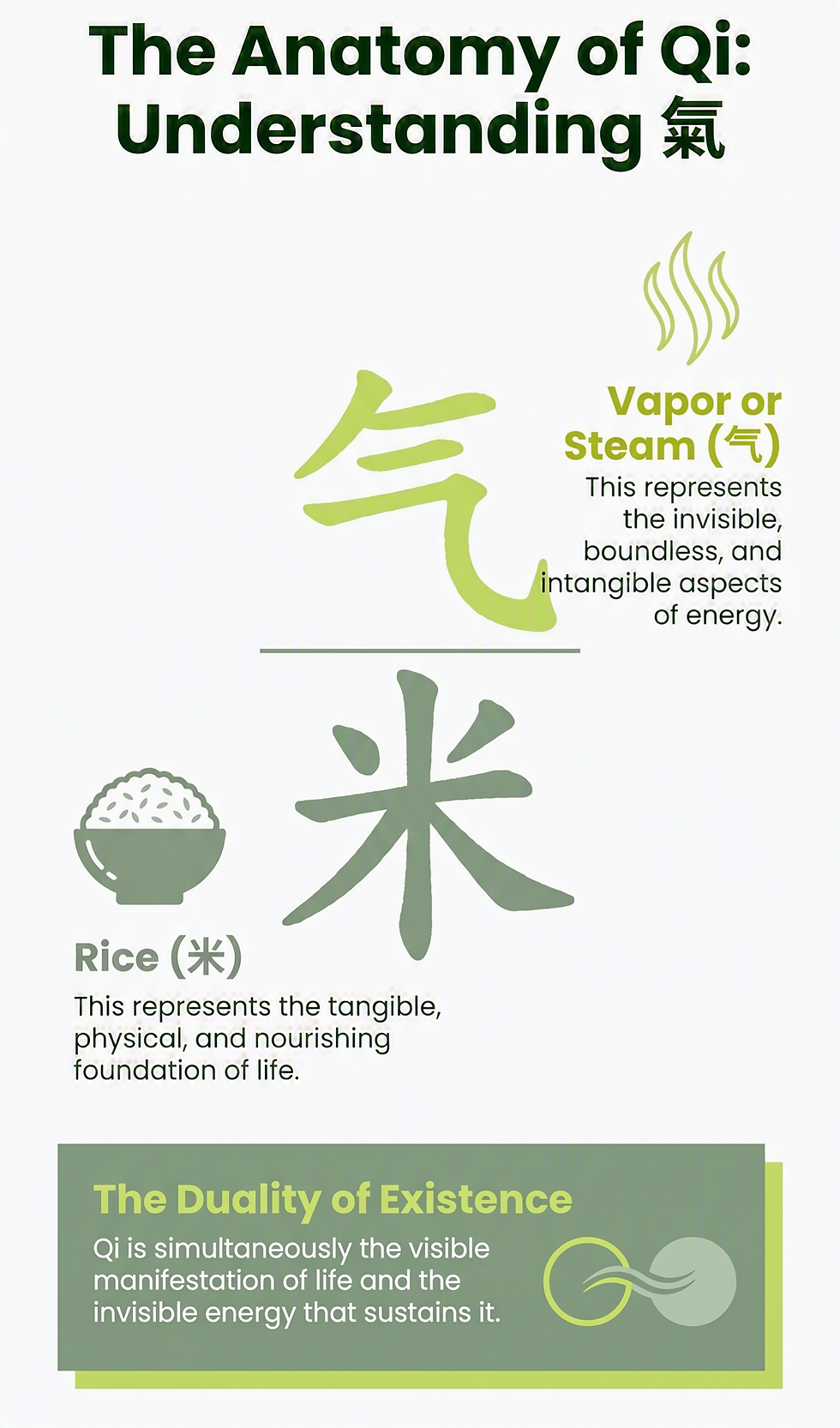
In TCM, everything comes back to Qi (pronounced chee). Qi is your life force, the energy that powers your body, like fuel in a car.
Strong Qi = vibrant, warm, full of life.
Weak or stuck Qi = sluggish, cold, drained.
Think of your digestion like a little fire in your stomach: it “cooks” food and transforms it into Qi (energy).
When you eat foods that support this fire, you feel strong. But when you eat foods that weaken it, your fire burns out.
Yin and Yang Made Simple
In TCM:
Yin = cooling, moistening, calming.
Yang = warming, energizing, activating.
Neither is “good” or “bad,” but balance is everything.
If your body already tends toward “cold yin” (cold hands and feet, weak digestion, bloating, fatigue), and you pile on more cold foods, you tip too far. It’s like throwing ice cubes onto a weak campfire.
What do we mean by "Cold Foods"?
This is where people often get confused. In Traditional Chinese Medicine (TCM), “cold” doesn’t simply refer to the temperature of food, it describes the energetic nature of how a food affects your body once it’s digested. Some foods can be served hot yet still have a cooling effect on the body.
Cold in both temperature and nature:
Ice water or chilled smoothies — cool the stomach and slow digestion
Ice cream — cold to the touch and energetically cooling
Raw or refrigerated salads — refreshing but taxing for weak digestion
Cold in nature, even when served warm:
Peppermint tea — served hot but still cooling and dispersing in effect
Chrysanthemum tea and lavender tea — soothing yet help release internal heat
Tofu — even when served hot, is cooling in nature and cools the body
Crab, oysters, and other shellfish — remain cooling in nature even after cooking
Key idea: “Cold” in TCM refers to how food interacts with your body’s internal temperature and energy. Cooking generally adds warmth, but some foods are inherently cooling regardless of how they’re prepared. While these foods can calm and clear heat when needed, they may also weaken digestion if overused.
How Cold Foods Affect Digestion
Digestion is like keeping a small pot simmering. Cold foods can slow it down, weaken it, and make it harder to extract nutrients.
Signs this might be happening to you:
Cold hands and feet
Tiredness after eating
Bloating or loose stools
Craving naps all the time
Feeling cold even in warm weather
This is especially true if you already have what TCM calls a cold-damp constitution: low energy, weak digestion, heavy body, sluggish circulation.
Salads and Sushi: Are They Really Healthy for Everyone?
Raw veggies are full of vitamins, but raw = cold. Your body has to work harder to “warm them up.” That’s why sometimes salads can leave you bloated or tired.
Cooking — steaming, stir-frying, roasting — pre-digests the food and makes nutrients easier to absorb.
Tip: Mix cooked and raw ingredients. Add roasted pumpkin or steamed greens into your salad. Even drizzle with a warm dressing or pair with soup.
Sushi looks balanced: fish, rice, veggies. But the raw fish is very cooling in nature. If your Qi is weak, sushi may leave you more tired than energized.
If you love it, balance it out: choose rolls with cooked ingredients (like grilled salmon) and pair with miso soup to keep your digestive fire strong.
Eating with the Seasons
One of the golden rules of TCM: eat with the seasons. Nature knows what you need.
Summer (yang season, hot): cooling foods like cucumber and melon make sense.
Winter (yin season, cold): warming foods like soups, stews, and spices are best.
If you match your diet to the season and your body type, you’ll stay balanced and energized.
Practical Tips for Stronger Energy
Warm up your drinks: swap iced water for hot ginger tea.
Lightly cook your veggies: steaming keeps nutrients and adds warmth.
Think cozy meals: soups, porridges, and slow-cooked stews = digestive hugs.
Add warming spices: ginger, cinnamon, turmeric can stoke your digestive fire.
Use herbs wisely: ginseng, goji berries, ginger — each strengthens Qi in different ways.
Final Word: It’s All About You. Here’s the most important part: TCM dietary advice is always personalized.
If you’re someone who runs hot (red face, irritability, always thirsty), a bit of raw salad or cold watermelon may be perfect for you.
But if you’re often cold, tired, and bloated, icy drinks and sushi may be draining your fire.
Food isn’t just “good” or “bad” — it’s about whether it balances your unique constitution.
And because TCM is personalized, it’s always best to see a practitioner who can assess your constitutional pattern and give you tailored advice on which foods to include, and which to avoid , for your unique needs.

Comments