Discover the Benefits of Acupuncture and Why You Should See a TCM Doctor

Acupuncture is a time-honored practice rooted in Traditional Chinese Medicine (TCM) that has gained widespread recognition for its therapeutic benefits. This holistic approach involves the insertion of fine needles into specific points on the body to promote healing, balance energy, and alleviate various health issues. As more individuals seek alternative and complementary therapies, understanding acupuncture and the expertise of TCM practitioners can provide valuable insights into enhancing overall wellness. From managing chronic pain to reducing stress, the benefits of acupuncture extend across a diverse range of conditions, making it an increasingly popular choice for those looking to improve their health naturally.
Understanding Acupuncture: An Overview
History and Origins of Acupuncture
Acupuncture is like that wise old sage at a party who seems to have been around forever—because it basically has! Originating in China over 2,500 years ago, it’s deeply rooted in Traditional Chinese Medicine (TCM). The practice evolved from ancient philosophies about health and the human body. Early practitioners used stone needles and the guidance of nature to figure out the best spots to poke. Fast forward a few millennia, and now we have finely crafted needles, and the ancient wisdom is still doing its thing in modern clinics around the world.
Types of Acupuncture Practice
Not all acupuncture is created equal! There are several variations you might encounter, including traditional Chinese acupuncture, which emphasizes the flow of Qi (more on that later), and Japanese acupuncture, known for its gentle touch and extremely fine needles. Then there’s electro-acupuncture, which adds a little zap to the needles—perfect for those who like a bit of extra excitement in their treatments. Let’s not forget auricular acupuncture, which treats various conditions by stimulating points on the ear. With so many styles, there’s sure to be an acupuncture approach that suits your fancy!
The Principles of Traditional Chinese Medicine (TCM)
The Concept of Qi
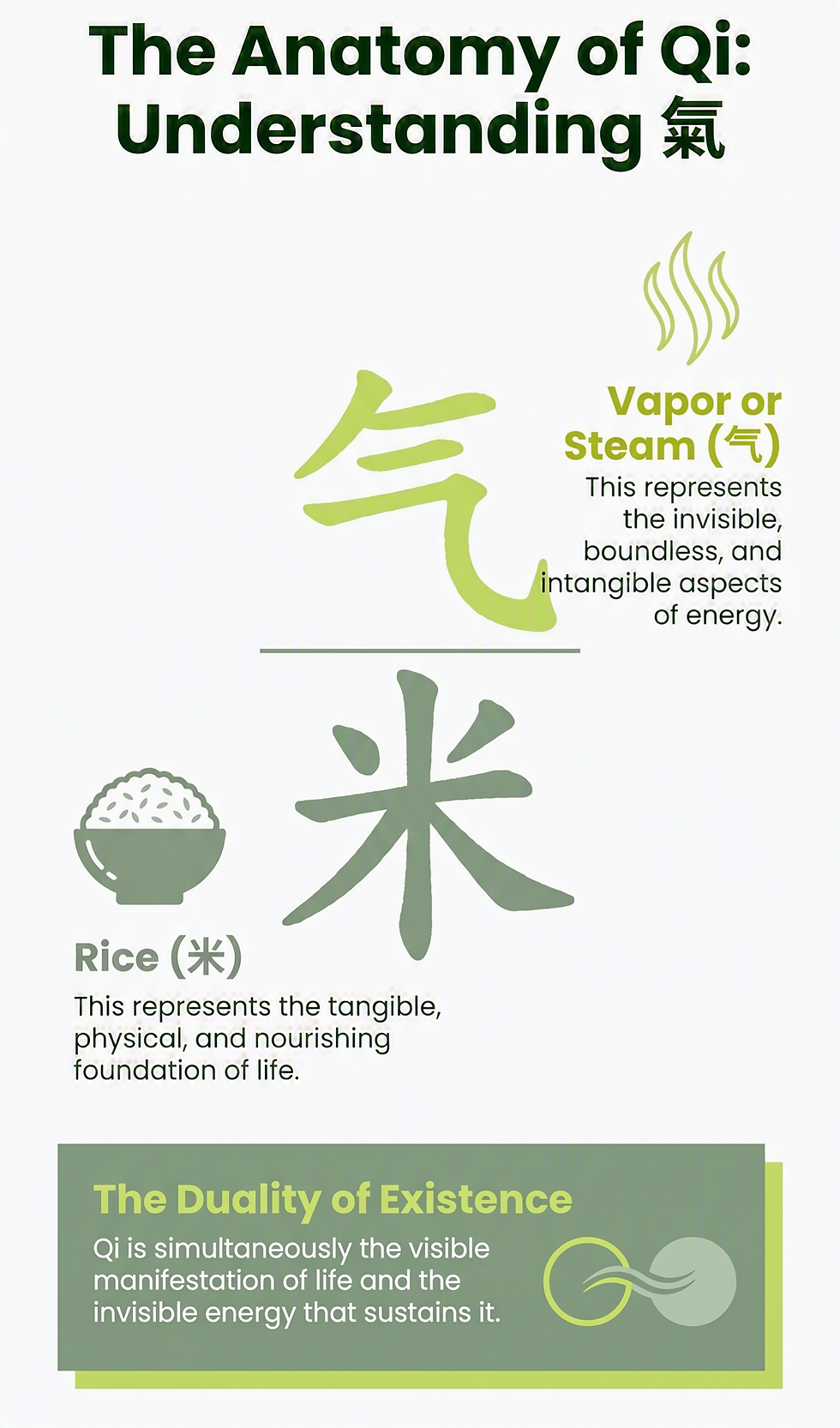
Think of Qi (pronounced "chee") as the mystical energy that flows through your body, sort of like Wi-Fi for your health. In TCM, this life force is crucial for maintaining balance and well-being. When Qi is flowing smoothly, you’re feeling great! But if it gets blocked or runs low, well, that’s when your body decides to stage a protest. Practitioners aim to unstick Qi with acupuncture, letting the energy flow freely and bringing you back to your center—kind of like a spiritual reboot.
Yin and Yang in Health
If there were an award for the ultimate dynamic duo, Yin and Yang would snag it without a doubt. This concept represents opposite forces that are interconnected and interdependent. In the context of health, Yin is cool, calming, and restorative, while Yang is warm, active, and energizing. An imbalance in these forces can lead to all sorts of health issues. Acupuncture seeks to harmonize Yin and Yang, ensuring your body is always on its A-game. So, you could say acupuncture is just TCM's way of keeping things balanced—like a health-savvy tightrope walker.
How Acupuncture Works: Mechanisms and Techniques
Needle Insertion and Techniques
Ah, the moment we’ve all been waiting for—needles! But don’t worry; acupuncture needles are super thin, often no thicker than a hair, and they’re designed to cause minimal discomfort. Practitioners insert these needles at specific points to kickstart your body's natural healing processes. Some techniques include "dry needling," where needles are inserted without any added substances, and "trigger point acupuncture," which targets specific knots in your muscles. Your practitioner may even twirl those needles like they’re showing off a magic trick. Abracadabra—feel better!
The Role of Meridians
Imagine your body as a fantastical road map, with various highways (meridians) allowing energy (Qi) to travel smoothly from point A to point B. In TCM, there are twelve primary meridians, each associated with different organs and functions. If Qi gets stuck on a particular highway, it could lead to traffic jams in the form of pain or illness. Acupuncture works to clear these pathways so that Qi can flow freely, ensuring that you’re not stuck in your own health traffic jam. Consider it your body’s maintenance service—no repair bills required!
Health Benefits of Acupuncture
Physical Health Benefits
Acupuncture isn’t just a fancy way to get a little needle poke; it comes packed with a treasure trove of physical benefits. From alleviating chronic pain (hello, back pain relief!) to easing headaches and migraines, acupuncture can feel like a superhero swooping in to save your day. It even aids in digestion and supports the immune system. Who knew that a few well-placed needles could pack such a punch? It’s like giving your body a gentle nudge in the right direction, encouraging it to heal itself naturally.
Mental and Emotional Health Benefits
But wait, there’s more! Let’s talk about the emotional side of things. Acupuncture has been shown to reduce symptoms of anxiety and depression, providing a holistic approach to mental well-being. By promoting relaxation and reducing stress, acupuncture can help your brain stop playing its annoying loop of worries and get back to business. Think of it as hitting the refresh button on your mental playlist, letting go of the “stressed-out ballad” and opting for a calming melody instead. So, it’s not just about the body; it’s about nurturing the mind and spirit, too!<h2>Conditions Treated by TCM Practitioners
Pain Management
Who needs a magic pill when you’ve got acupuncture? TCM practitioners wield needles like wizards to help alleviate pain from chronic conditions, injuries, or even the nagging aches that come with aging. Whether it's back pain, migraines, or arthritis, acupuncture can tap into your body’s natural healing processes, leaving you feeling like you just stepped off a cloud.
Digestive Disorders
If your stomach’s throwing a tantrum more often than your toddler, acupuncture could be your new best friend. TCM practitioners can address issues like IBS, bloating, and even those embarrassing gas situations you’d rather forget. By harmonizing the body’s energy flow, they help restore balance to your digestive system, serving up relief with a side of zen.
Stress and Anxiety
Feeling like the world is sitting on your shoulders? Acupuncture might help you swap that heavy load for a lighter vibe. TCM practitioners target points that encourage relaxation and calmness, making stress feel like yesterday’s news. Plus, who wouldn’t want to sit back, relax, and get needled while someone works their magic on anxiety?
What to Expect During an Acupuncture Session
Initial Consultation and Assessment
Before you leap onto the treatment table, you’ll start with a cozy chat with your TCM practitioner. They’ll ask about your health history, lifestyle, and the various dramas happening in your body. This helps them craft a personalized treatment plan that’s as unique as your favorite pizza toppings—but, you know, less cheesy.
The Treatment Process
Once you’re all set, it’s showtime! You’ll lie down (clothes intact, unless you’re at the beach) while the practitioner gently inserts thin needles into specific points on your body. Contrary to what you might think, it’s more like a tingle than a stab. Most people find it soothing, like a mini vacation from reality!
Aftercare and Follow-Up
After your acupuncture adventure, you might feel a bit floaty—kind of like that feeling when you’re done with a good book. Your practitioner may suggest some aftercare tips, like staying hydrated and taking it easy. Plus, they’ll likely schedule follow-ups to keep your wellness journey on track, because who doesn’t want to keep that blissful vibe going?
Choosing a Qualified TCM Practitioner
Credentials and Certifications
When it comes to finding a TCM practitioner, think of credentials as the golden ticket. Make sure they have the necessary licenses and certifications to practice acupuncture and TCM. It’s like checking for a chef’s hat before tasting their food—nobody wants mystery meat when you can have gourmet!
Evaluating Practitioner Experience
Experience matters! Look for practitioners who have been around the needle block a few times. Ask them about their specialties and success stories. A seasoned pro can navigate your needs like a seasoned captain steering a ship through choppy waters—smooth sailing, here we come!
Integrating Acupuncture into Your Wellness Routine
Complementary Therapies
Acupuncture doesn’t have to fly solo! It plays well with other therapies, like herbal medicine, massage, and even yoga. Think of it as the best supporting actor in your wellness routine, enhancing your overall health like a good sidekick in a buddy movie.
Frequency and Duration of Treatments
How often should you be getting those needles in your life? Well, that depends on what your body needs! Some folks benefit from weekly sessions, while others prefer monthly check-ins. Your practitioner will help you find the right rhythm, ensuring your wellness journey doesn’t turn into a fleeting fling but a long-term love affair with health. In conclusion, acupuncture offers a unique and effective approach to health and wellness, drawing from the deep-rooted principles of Traditional Chinese Medicine. By understanding its mechanisms and benefits, and by working with a qualified TCM practitioner, individuals can explore how this ancient therapy may enhance their overall well-being. Whether seeking relief from specific conditions or aiming to improve general health, acupuncture can serve as a valuable tool in achieving a balanced and harmonious life.
Frequently Asked Questions
Is acupuncture painful?
Most people find acupuncture to be relatively painless. The needles used are very thin, and many patients report feeling little to no discomfort during the insertion. Some may experience a mild sensation, such as tingling or warmth, at the acupuncture points.
How many acupuncture sessions are needed for results?
The number of sessions required varies depending on the individual and the condition being treated. Some may notice improvements after just one or two sessions, while others may benefit from ongoing treatment over several weeks or months.
Are there any side effects associated with acupuncture?
Acupuncture is generally considered safe when performed by a qualified practitioner. However, some individuals may experience minor side effects, such as bruising, soreness, or fatigue after a session. Serious complications are rare.
Can acupuncture be used alongside other treatments?
Yes, acupuncture can be integrated with other medical treatments and therapies. It is often used as a complementary approach to enhance overall health and support recovery from various conditions. Always consult with your healthcare provider before starting any new treatment.

Comments